Pool-type Sodium-Cooled Fast Reactor (SFR).
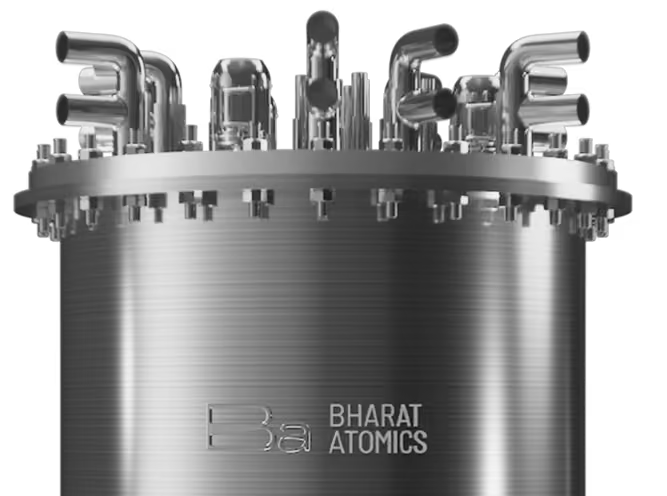
Sodium-cooled fast reactor combining advanced engineering, passive safety, and manufacturing-first design, to build India’s most affordable modular reactor.
Utilising the natural properties of liquid sodium.
Sodium stays liquid up to 883°C, conducts heat exceptionally well, and preserves the fast neutron spectrum. As a direct consequence, the reactor runs at near-atmospheric pressure, eliminating the requirement for heavy pressure vessels and high-pressure containments.
Simpler to build and safer to operate by design.
ATLAS-150
Bharat Atomic’s ATLAS-150 will produce 150 MW of electricity.
[01/07]
A multipurpose energy source, equipped to meet every demand Bharat could possibly have.
Targeting 150 MWe of firm, clean, and always-on power. Multiple units share site infrastructure, with twin-unit and four-unit configurations in development, reducing cost as capacity scales.
[01]
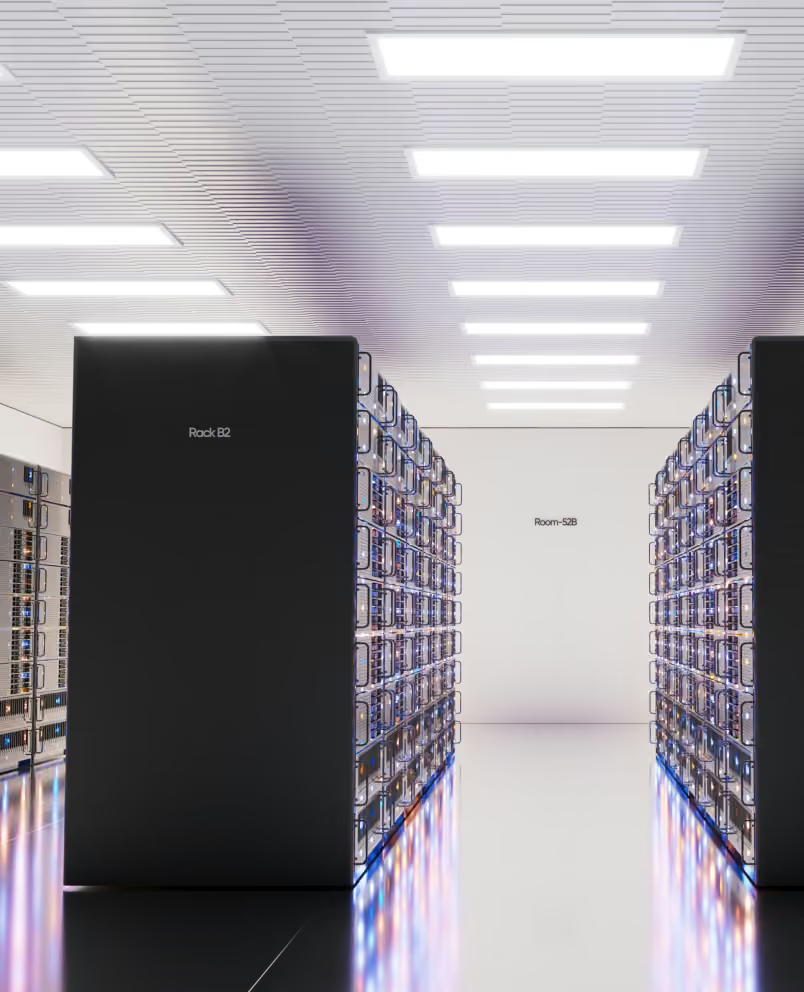
Always-on power for data centres, hyperscalers, and AI infrastructure
[02]
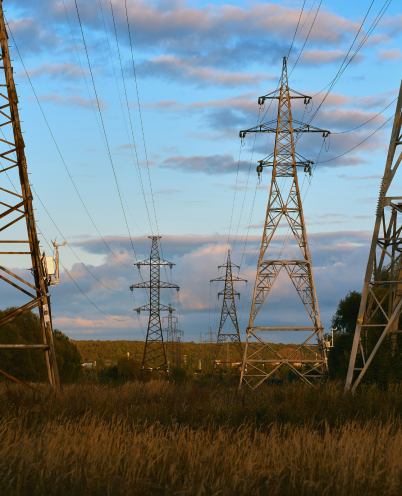
Baseload electricity for grids, remote communities, and even isolated areas
[03]
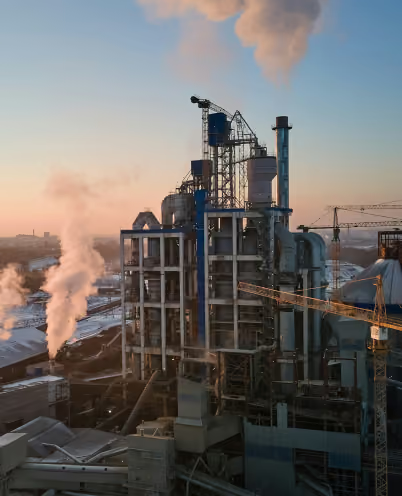
Process heat and steam at up to 440°C to co-located industrial facilities
[04]
Clean hydrogen through high-temperature electrolysis
Demo by 2029
completed
2026
Core neutronics and thermal-hydraulic codes and modelling
Q2 of 2026
Conceptual Reactor Design (CDR)
Q2 of 2026
Build initial reactor design engineering team
Q3 OF 2026
Pre-licensing regulatory engagement with AERB and DAE
Q3 OF 2026
NEEV (Nuclear Engineering & Experiment Validation) center facility setup (Pune)
Q4 of 2026
2027
Basic Reactor Design (BDR) freeze & detailed engineering design commenced
Q1 OF 2027
Reactor design testing in NEEV pilot facility & government facilities
Q2 OF 2027
Preliminary Safety Analysis Report (PSAR) initiated
Q3 OF 2027
Testing full-scale 1:1 non nuclear prototype reactor
Q3 OF 2027
Fuel load and first criticality achievement
Q4 OF 2027
2028
Licensing package submitted; AERB consent for siting & construction
Q1 OF 2028
Deployment activity begins in a partner's AI data center site
Q2 OF 2028
2029
Complete our Full scale 1:1 nuclear demo reactor i.e. ATLAS-150
Q2 OF 2029
2030
Mass production begins
Q2 OF 2030
2031
First unit enters commercial operation
2032
Scaling up production (NOAK)
Q4 OF 2032
2033
Towards a resilient future, together.
Collaborations & partnership.
Bharat's energy future is being built now. We are making decisions today that will echo for decades. The organisations collaborating with us would have shaped something that outlasts all of us. Join and build it with us.
Join the team.
We are building something that will exist long after all of us. A small number of exceptional people will be able to say they built it. If your work speaks for itself, you move fast, and you care about what this means for Bharat (India), come pitch what you bring to the table.